Jump to section
Fall yard cleanup is easy to put off until the whole yard disappears under leaves. Between the leaf drop, dying annuals, storm-loosened branches, and patio furniture that needs to come inside, the job piles up fast if you save it all for one November weekend. Breaking a fall yard cleanup checklist into early, mid, and late season steps keeps the work manageable and keeps the yard from turning into a debris pile by Thanksgiving.
Key takeaways
- Early fall (September) is for light raking, mower height changes, and gutter checks before leaf drop peaks.
- Mid fall (October) is peak leaf and branch season, the busiest stretch of any fall yard cleanup checklist.
- Late fall (November) covers the final leaf pickup, pruning, and protecting patio furniture before frost.
- Curbside yard waste pickup usually caps bag counts and won't take large branches, sod, dirt, or treated wood.
- Composting handles leaves and soft plant debris; junk removal covers what municipal pickup won't take.
Early Fall Yard Cleanup Checklist (Late September to Early October)
Early fall yard cleanup is about getting ahead of the mess, not cleaning it up after the fact. The lawn and gutters are still manageable this early, so a little work now saves hours later.
- Rake up the first light leaf drop before it mats down the grass underneath.
- Raise the mower deck for the last few cuts as part of fall lawn care.
- Deadhead spent annuals and cut back perennials that have finished blooming.
- Check gutters and downspouts for the first wave of debris.
- Walk the yard for dead limbs loosened by summer storms.
Mid Fall Yard Cleanup Checklist (October)
Mid fall is peak leaf season, and it drives most of the work in a typical fall yard cleanup checklist. Leaves fall faster than most homeowners can keep up with, so weekly attention beats a once-a-month blitz.
- Rake or mulch leaves weekly instead of letting them build into a thick, wet mat.
- Prune dead or damaged branches before winter winds bring them down on their own.
- Pull dead annuals and vegetable plants, and cut perennials back to a few inches.
- Aerate and overseed bare patches while the soil is still warm.
- Start moving cushions, umbrellas, and lightweight furniture indoors.
Late Fall Yard Cleanup Checklist (November)
Late fall yard cleanup finishes the job before the ground freezes and the yard goes dormant for winter. Anything left undone here tends to sit under snow until spring.
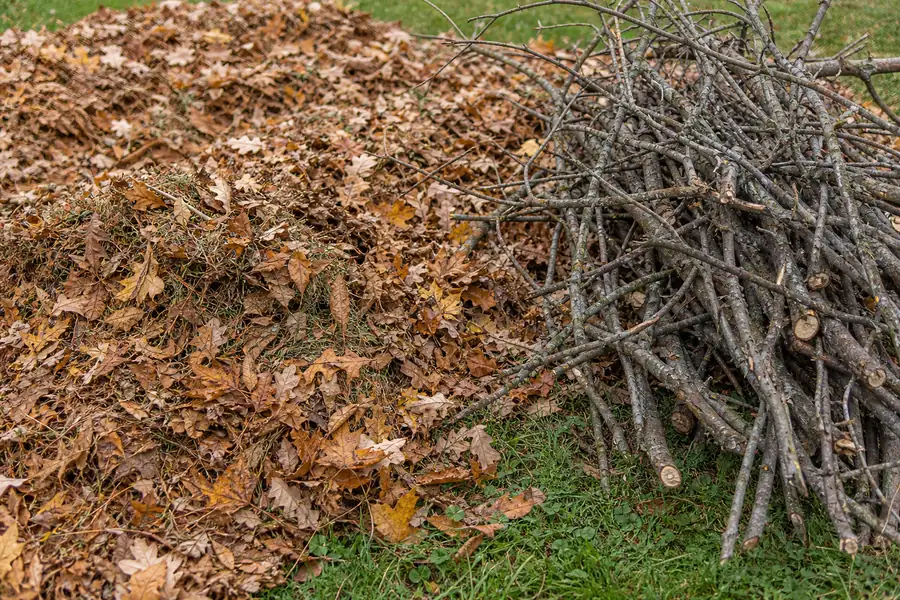
- Do a final full leaf pickup; leaves left over winter smother grass and invite mold and fungus.
- Clean gutters a second time after the last leaves drop.
- Cut back remaining perennials and clear out dead plant material.
- Fully winterize patio furniture: store it in a shed or garage, cover it, or bring cushions and fabric pieces inside.
- Check trees one last time for weak limbs that heavy snow or ice could snap.
What Won't Municipal Yard Waste Pickup Take?
Most municipal yard waste programs cap the number of bags or bundles per week and refuse branches over about 4 to 6 inches in diameter. Sticks and limbs usually have to be bundled under 4 feet long and tied, and many cities require a paper yard waste bag or sticker rather than plastic.
Curbside pickup also will not take dirt, sod, stumps, treated or painted wood, large root balls, or anything mixed in with regular household trash. Big-ticket items like an old patio set, a broken shed, or a pile of storm debris from several trees are outside the scope of a weekly curbside program almost everywhere.
What to Do With Fall Yard Debris
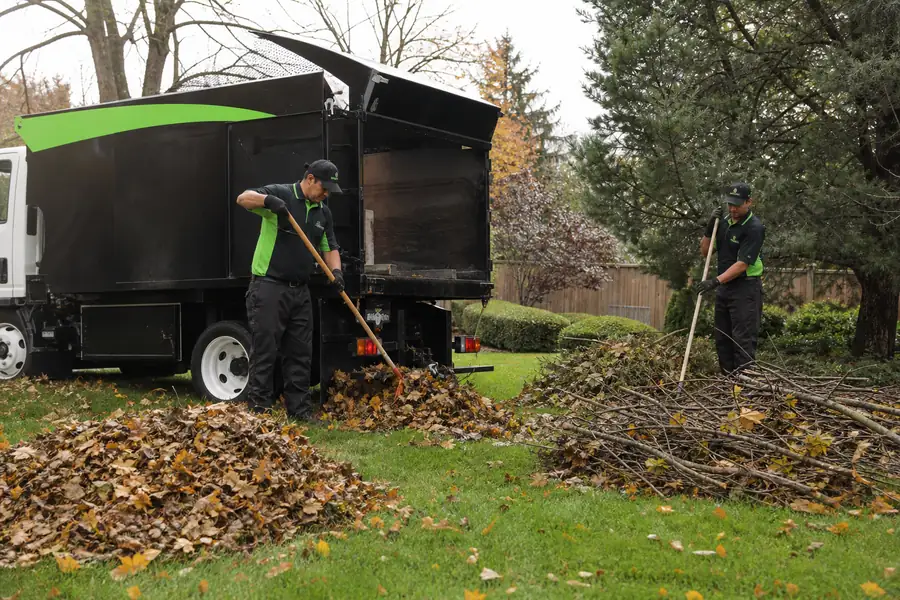
Fall yard debris generally goes one of three ways: curbside pickup, composting, or junk removal, depending on what it is and how much of it you have.
| Method | Best for | Typical limits |
|---|---|---|
| Curbside pickup | Bagged leaves, small bundled branches | Bag/bundle caps, branch diameter under 4-6 inches |
| Composting | Leaves, grass clippings, soft plant debris | Needs yard space; no cost, but slow to break down |
| Junk removal | Large limbs, root balls, patio furniture, whole-yard cleanouts | No size or bag limits beyond truck volume |
When the pile includes broken branches too big to bundle, an old patio set headed for the curb, or leaves and limbs from a whole yard that got away from you, Yard Waste Removal clears it out in one trip instead of a month of curbside limits. Junk Rhinos prices by how much space the debris takes up in the truck, confirms that price on-site before anything gets loaded, and hauls it away the same or next day in most areas.
If you're not sure whether your pile is a curbside job or a hauling job, request a free estimate and get a straight answer before you spend a weekend bagging leaves that could go in one load.
Frequently asked questions
When should fall yard cleanup start?
Most homeowners start light raking and gutter checks in September, before leaf drop peaks in October. Starting early spreads the work out instead of leaving a full month of leaves and branches for one weekend in November.
What do I do with leaves if my city doesn't offer yard waste pickup?
Composting is the free option for leaves and soft plant debris, though it needs space and takes months to break down. For faster results, or for a pile too large to compost, a junk removal service can haul leaves and yard debris away in a single trip.
Can tree branches go in a curbside yard waste bin?
Small branches usually can, but most cities cap the diameter at around 4 to 6 inches and require bundling under 4 feet long. Larger limbs, stumps, and root balls almost always need a separate pickup or a hauling service.
How much does fall yard debris removal cost?
Cost depends on how much debris there is, since junk removal is typically priced by the volume it takes up in the truck rather than a flat fee. A firm price gets confirmed on-site before any work starts, so there's no guessing involved.
Do I need to remove all the leaves from my lawn before winter?
Yes, a thick layer of leaves left over winter blocks light and traps moisture against the grass, which can lead to mold, fungus, and dead patches by spring. A light dusting of mulched leaves is fine, but a heavy mat should come off.