Quick answer
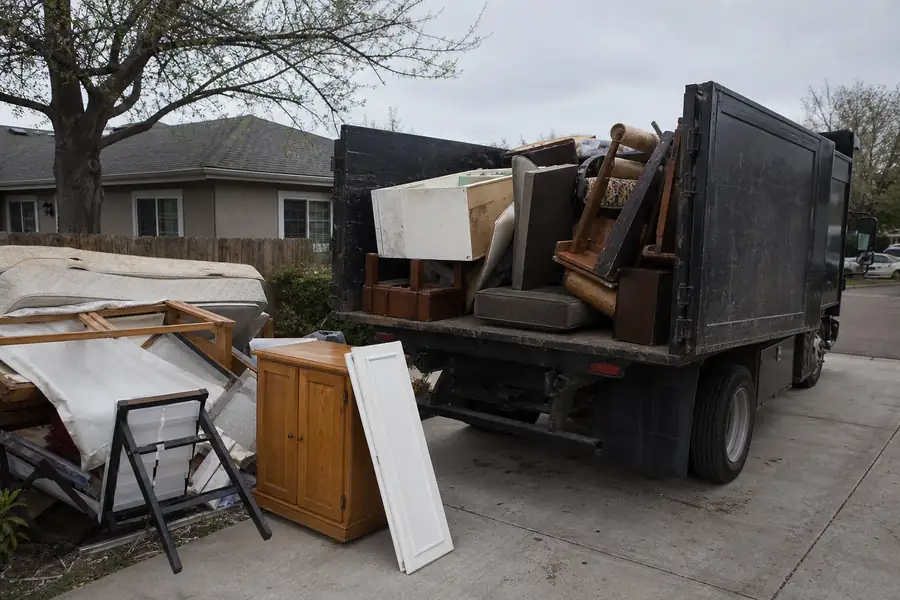
Junk removal typically runs $75 to $600 depending on the pricing model used. Item-based pickups (a mattress or fridge) run $75 to $200 per object, weight-based debris (concrete, dirt, shingles) runs $100 to $150 per ton, and volume-based loads (mixed furniture and boxes) run $100 to $600 depending on how much of the truck you fill.
Jump to section
Ask five junk removal companies for a quote on the same garage and you might get five different numbers. That is not someone padding the bill. Most haulers price jobs by volume, some by weight, and others per item, and each method changes the math in its own direction.
This junk removal pricing guide breaks down how each model works, what a truck-load actually looks like in dollar terms, and how a company like Junk Rhinos keeps its pricing upfront from quote to pickup.
Key takeaways
- Volume-based pricing charges for the space your junk takes up in the truck, usually by truck-load fraction.
- Weight-based pricing charges by the pound or ton, common for dense debris like concrete or dirt.
- Item-based pricing sets a flat fee per object, useful for single pickups like a mattress or fridge.
- A quarter, half, and full truck-load are the usual volume tiers most haulers quote against.
- Quotes vary between companies because of local disposal fees, truck size, and which pricing model each one defaults to.
What Determines Junk Removal Pricing?
Junk removal pricing comes down to three models, volume, weight, and per item, and almost every company you call defaults to one of them.
Volume-Based Pricing
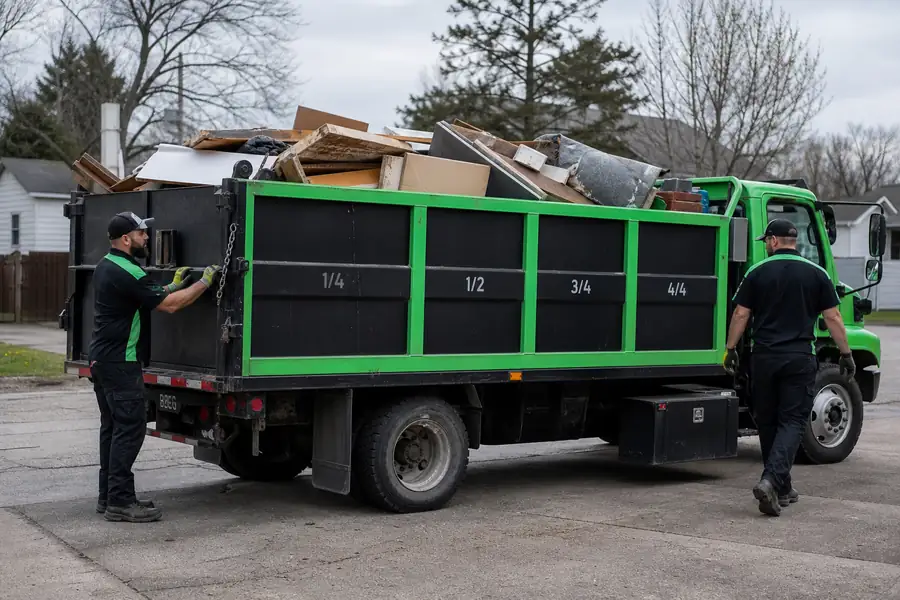
Volume-based pricing charges for how much space your junk takes up in the truck, usually broken into truck-load fractions like an eighth, quarter, half, or full load. A quarter load of mixed furniture might run $150 to $250, while a full load from a cleared-out garage can run $400 to $600 or more depending on the market. This model rewards you for donating or recycling anything that shrinks the pile before pickup.
Weight-Based Pricing
Weight-based pricing charges by the pound or ton and shows up most often with heavy, dense debris such as concrete, dirt, roofing shingles, or bricks. A ton of construction debris can cost $100 to $150 to dispose of at the landfill alone, before labor and hauling get added. Companies handling Construction & Demolition Debris Removal often lean on this model because weight, not space, drives the real cost.
Item-Based Pricing
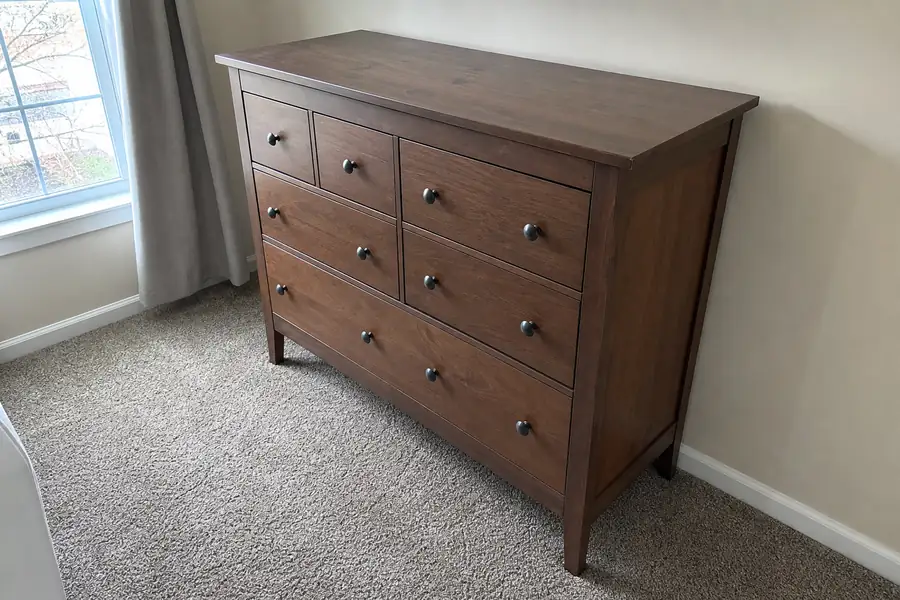
Item-based pricing sets one flat fee per object, so a mattress might run $75 to $125 and a refrigerator $100 to $175 regardless of what else rides along in the truck. This model works like a simple junk removal price list: you look up the item, you get the price, with no measuring or guessing involved. It is common for single pickups like Mattress Disposal where volume pricing would not make sense.
How Crews Estimate a Load
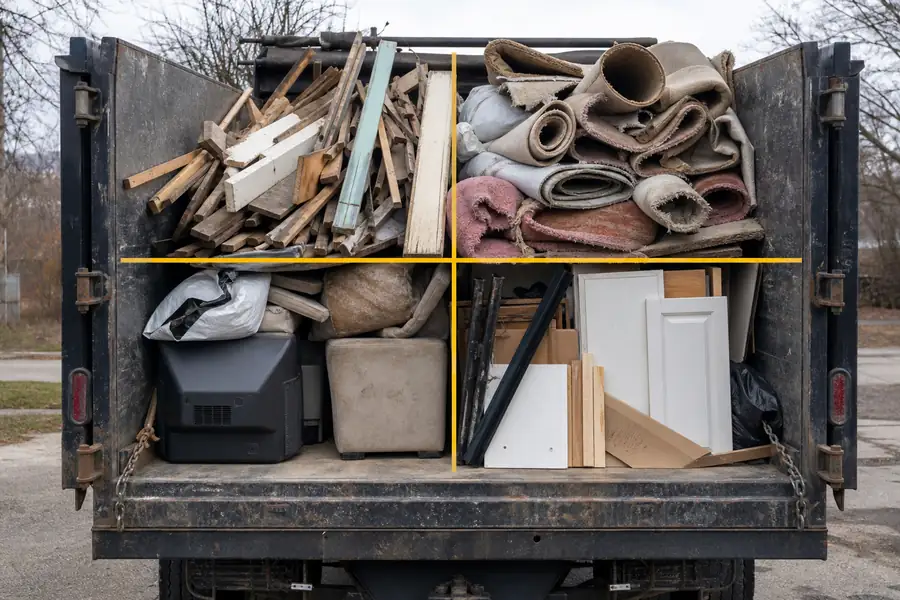
Crews estimate a load by eyeballing how much space your junk will fill in the truck, not by weighing every item first. Picture the back of a standard cargo truck split into eighths. A quarter load looks like a stuffed living room set: a sofa, a loveseat, two end tables, and a few boxes. A half load looks like a one-car garage cleared floor to ceiling, minus the shelving. A full load looks like a small studio apartment emptied out, appliances included.
Knowing how to price junk removal jobs starts with this same visual math. Bulky, low-density items like couches and mattresses fill space fast without weighing much, while dense debris like concrete or dirt weighs a lot without filling much space at all. That mismatch is why volume and weight pricing can produce very different quotes for the same pile.
Junk Rhinos crews walk the pile, ask a few questions about access such as stairs or distance to the truck, and confirm the number before any work starts, a process laid out on the how it works page.

Comparing Junk Removal Pricing Models
Volume, weight, and item-based pricing all land on a number, but each one favors a different kind of job.
| Model | Best For | Priced By | Typical Range |
|---|---|---|---|
| Volume-based | Mixed household loads, cleanouts | Truck-load fraction | $100 to $600 per fraction |
| Weight-based | Heavy debris (concrete, dirt, shingles) | Pound or ton | $100 to $150 per ton |
| Item-based | Single pickups (mattress, appliance) | Flat fee per object | $75 to $200 per item |
Why Do Junk Removal Quotes Vary Between Companies?
Junk removal quotes vary between companies mainly because of local landfill fees, truck size, and which pricing model a company defaults to. A hauler in an area with high disposal fees will build that into every volume or weight quote, while one that donates and recycles aggressively can shave costs off the same load. A smaller trailer fills up faster too, so a company running compact trucks may quote a higher fraction of a load for the same pile than one running a full-size box truck.
Access plays a role as well. A garage cleanout at street level costs less to price than the same volume pulled from a third-floor walk-up, since extra stairs and distance add time the crew has to account for.
Junk Rhinos' Upfront Volume Pricing
Junk Rhinos prices by volume: you pay for the space your junk takes up in the truck, not a flat guess or a per-item add-up that surprises you at the end. A ballpark estimate starts the process, but the real number gets confirmed on-site, in writing, before any work begins, with no deposit and no hidden fees added later.
You can see current ranges by load size on the pricing page, or start with a free quote request to get a ballpark number for your specific pile. Whether it is a garage you cannot park in or a basement full of boxes nobody has opened in years, the crew walks the space, quotes the load, and does all the lifting once you say go.
Frequently asked questions
How much does junk removal usually cost?
Most jobs run $75 for a single item up to $600 or more for a full truck-load of mixed furniture and debris. The exact number depends on whether the company prices by volume, weight, or per item, and how much access the crew has to your junk.
Is volume pricing cheaper than weight pricing?
It depends on what you are getting rid of. Bulky but light items like couches and mattresses usually cost less under volume pricing, while heavy, compact debris like concrete or dirt usually costs less under weight pricing since it takes up little truck space.
Why did one company quote me double another company's price?
Local landfill fees, truck size, and which pricing model a company uses all affect the final number, so two honest quotes on the same pile can still land far apart. Getting an on-site estimate in writing, rather than a phone guess, is the best way to compare quotes fairly.
Do I need to know the weight or volume of my junk before calling?
No, you do not need to measure or weigh anything yourself. A crew can eyeball a pile and give a ballpark estimate over the phone or online, then confirm the firm price once they see the load in person.