Quick answer
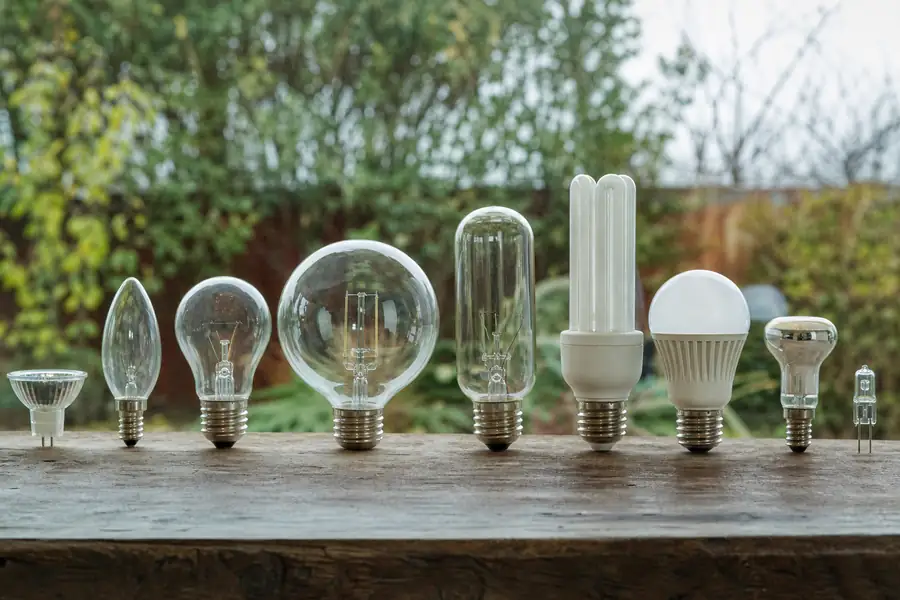
LED bulbs are safe for the regular trash but recycle better than they dump; CFL bulbs and fluorescent tubes contain mercury and must go to a hazardous waste drop-off or a retailer take-back program, never the trash; incandescent and halogen bulbs are fine to toss in your household trash.
Jump to section
The right disposal method depends entirely on what is inside the bulb. Some bulbs are just glass and wire. Others carry a small amount of mercury vapor that turns a routine bulb swap into a hazardous waste question if you're not careful.
| Bulb Type | Trash OK? | Best Option |
|---|---|---|
| LED | Yes | Recycle through retailer or e-waste program |
| CFL | No | Hazardous waste drop-off or retailer take-back |
| Fluorescent tube | No | Home Depot or Lowe's take-back program |
| Incandescent | Yes | None needed |
| Halogen | Yes | None needed |
How to Dispose of LED Light Bulbs
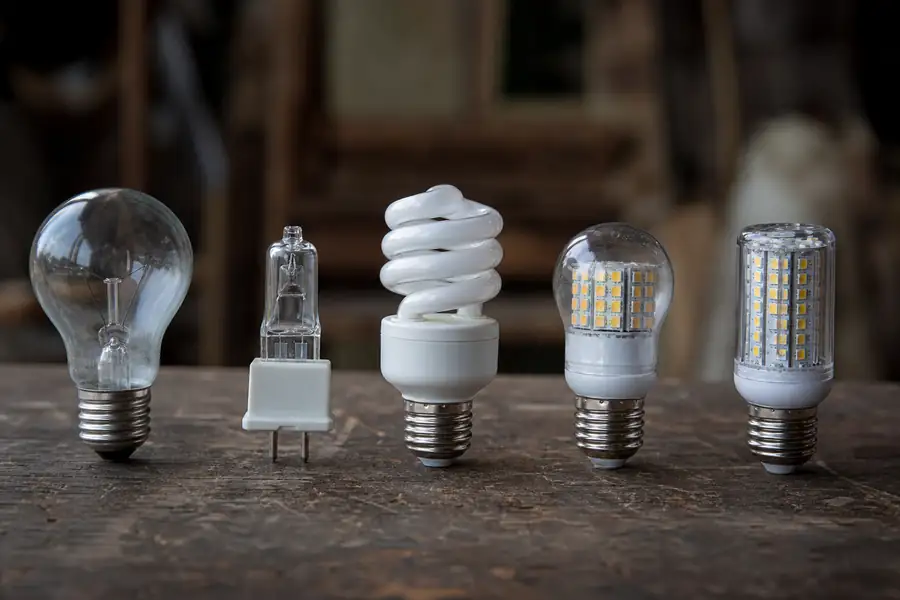
LED light bulbs are not classified as hazardous waste, so they can go straight into your household trash in every state. LED stands for light-emitting diode, a solid-state chip that produces light without the gas or mercury found in older bulb types.
Trash disposal is allowed, but recycling is the better move. LED bulb disposal through a recycler recovers the aluminum heat sink and small circuit board inside each bulb, materials that are worth pulling out of the waste stream. Many retailers and electronics recyclers accept old LEDs for exactly this reason, and some fold bulb drop-off into the same bins they use for Electronics & E-Waste Recycling because the components are so similar. Our guide on e-waste recycling basics walks through how that sorting works if you want the full picture.
How to Dispose of CFL Light Bulbs
CFL light bulbs contain a small amount of mercury vapor, so most states require them to go to a hazardous waste drop-off or a retailer take-back program instead of the trash. CFL stands for compact fluorescent lamp, the spiral bulb that largely replaced incandescents before LEDs took over.
That mercury is only a few milligrams per bulb, but it adds up fast across a household or a landfill. Many hardware stores and home improvement chains collect spent CFLs for free at the customer service counter. Check your city or county's household hazardous waste program too; most run periodic drop-off events for exactly this kind of item.
How to Dispose of Fluorescent Bulbs
Fluorescent tubes contain mercury just like CFLs and need to be recycled through a take-back program rather than thrown in the trash. Fluorescent bulbs work by exciting mercury vapor inside a glass tube to produce light, which is why both the straight tubes and the spiral CFLs get the same hazardous handling.
Most Home Depot and Lowe's locations take back fluorescent tubes up to four feet long at no charge, often through a bin near the lighting aisle or customer service desk. Longer eight-foot tubes usually need a specialty recycler or a household hazardous waste facility, so call ahead before you load up a truck full of old office or garage tube lighting.
How to Dispose of Incandescent and Halogen Bulbs
Incandescent and halogen bulbs contain no mercury and are safe to toss in your regular household trash. These are the classic bulbs with a glowing tungsten filament, and nothing inside them requires special handling.
The only real caution is broken glass. Wrap a burned-out incandescent or halogen bulb in newspaper or a small bag before it goes in the can so nobody gets cut digging through trash later.
What to Do If a CFL Bulb Breaks
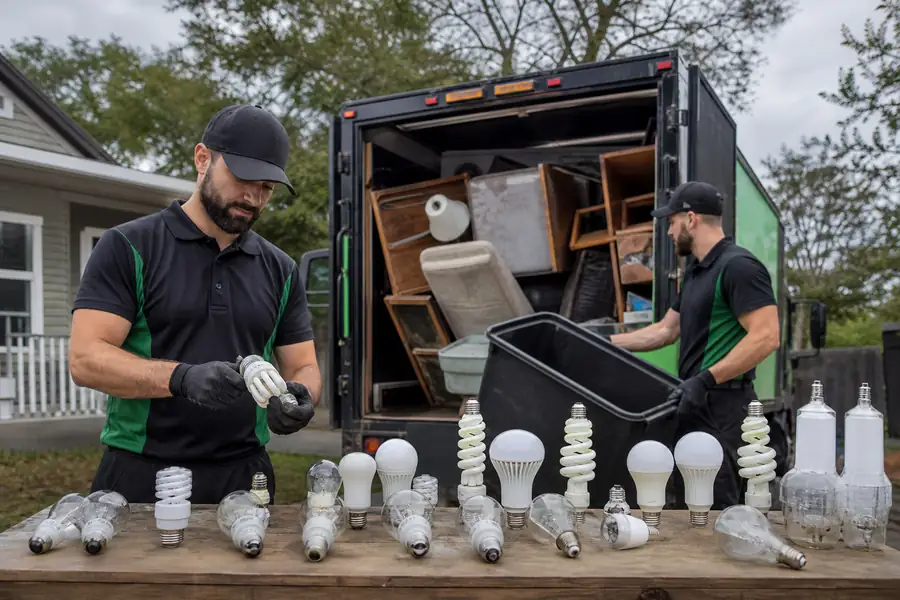
A broken CFL releases a tiny amount of mercury vapor, and the EPA's cleanup steps are built to limit exposure without overreacting to a small amount of risk.
- Have people and pets leave the room for 10 minutes and let it air out.
- Shut off your central heating or air conditioning so the vapor doesn't circulate through the house.
- Scoop up fragments and powder with stiff paper or cardboard rather than your hands.
- Use sticky tape to pick up any remaining small shards and powder.
- Wipe the area with a damp paper towel, then add that to the cleanup pile.
- Seal everything in a glass jar or a sturdy plastic bag.
- Take the sealed bag to a hazardous waste drop-off; never run a vacuum over a broken CFL, since it can spread mercury vapor through the air and the machine.
Common Mistakes to Avoid When Disposing of Light Bulbs
Most bulb disposal problems come down to treating every bulb type the same way, which is the fastest route to a fine or an unnecessary mercury exposure.
- Vacuuming a broken CFL or fluorescent tube instead of hand-cleaning it
- Tossing whole fluorescent tubes in the regular trash
- Assuming LED bulbs need hazardous handling when they don't
- Mixing bulb types together in one bag headed for the curb
- Skipping your state's rules, since some states ban CFLs and tubes from landfills entirely
If you're clearing out a garage, attic, or whole house full of old fixtures, lamps, and everything else that's piled up around them, General Junk Removal from Junk Rhinos handles the bulk of it in one trip, and we'll confirm a firm, upfront price on-site before anything gets loaded. Mercury-containing bulbs still need to go through a hazardous waste or retailer program on their own, but we'll gladly point you to the nearest option while we haul the rest. Our FAQ page covers more on exactly what we can and can't take.
Frequently asked questions
Can I put LED light bulbs in the trash?
Yes, LED bulbs are not hazardous waste and can go in your regular household trash in every state. Recycling is still the better option since LED bulbs contain small amounts of aluminum and circuit board material worth recovering, but tossing one is not against the law.
Why can't I throw CFL bulbs in the regular trash?
CFL bulbs contain a small amount of mercury vapor, and many states classify them as household hazardous waste because of it. Dropping one at a retailer take-back counter or a local hazardous waste facility keeps that mercury out of landfills and waterways.
Where can I recycle fluorescent tubes?
Most Home Depot and Lowe's stores accept fluorescent tubes up to four feet long for free recycling near the lighting department or customer service desk. Longer tubes or large quantities usually need a specialty recycler or your local household hazardous waste program instead.
What should I do if I break a CFL bulb?
Clear the room for 10 minutes, turn off central heating or air conditioning, and clean up the fragments with stiff paper and sticky tape rather than a vacuum. Seal everything in a bag or jar and take it to a hazardous waste drop-off rather than the trash.
Does Junk Rhinos pick up light bulbs for disposal?
Junk Rhinos focuses on bulk junk removal rather than small hazardous items like CFLs or fluorescent tubes, which need to go through a retailer take-back or hazardous waste program. We're glad to haul lamps, fixtures, and everything else out of a garage or house cleanout, and point you to the right drop-off for the bulbs themselves.