Jump to section
You're standing over an old couch, a dresser with a wobbly leg, or a dining set nobody wants, trying to decide what to do with it. Every piece feels like it should be worth something, but listing furniture takes time, donation centers have rules, and not every item clears the bar for either one. Here's the fast version: run each piece through three quick checks and you'll know in under five minutes whether to sell, donate, or junk it.
Key takeaways:
Key takeaways
- Sell it if resale value tops $50 and it will likely move within two weeks.
- Donate furniture that's clean, structurally sound, and free of stains, smells, or breaks.
- Junk anything broken, moldy, infested, or worth less than the effort to sell it.
- Mattresses almost never sell and usually land in the donate-with-restrictions or junk category.
- A free estimate settles the call fast when you're genuinely unsure which bucket an item falls into.
Is Old Furniture Worth Selling? The 5-Minute Test
Old furniture is worth selling if it will realistically bring in more than $50 and sell within about two weeks. Below that price or timeline, the hours spent photographing, listing, answering messages, and coordinating pickup usually cost more than the furniture earns.
That's the honest answer to whether old furniture is worth selling: it depends on demand, not sentimental value. Solid wood dressers, name-brand sectionals, and mid-century pieces tend to clear the $50 mark easily on local marketplaces. Particleboard bookshelves, mismatched dining chairs, and anything from a big-box store rarely do, even if you paid several hundred dollars for it new.
Check a local marketplace or resale app for two or three comparable listings before you commit to photographing anything. If similar pieces are sitting unsold for a month, yours will too.
If a piece fails either half of the test, drop it into the donate or junk track instead of letting a listing sit for weeks.
The Decision Flowchart: Sell, Donate, or Junk Old Furniture
Run each piece through these questions in order and stop at the first one that fits:
- Would it sell for more than $50 within two weeks? If yes, sell it. If no, move to question two.
- Is it clean, sturdy, and free of stains, odors, or structural damage? If yes, donate it. If no, move to question three.
- Is it broken, water-damaged, moldy, or missing major parts? If yes, junk it. If you're still unsure, get a second opinion before you decide.
Most furniture sorts itself out by question two. The pieces that make it to question three are usually the ones that have been sitting in a garage or basement for years, and by then the honest call is almost always to haul it away rather than keep hoping someone wants it.
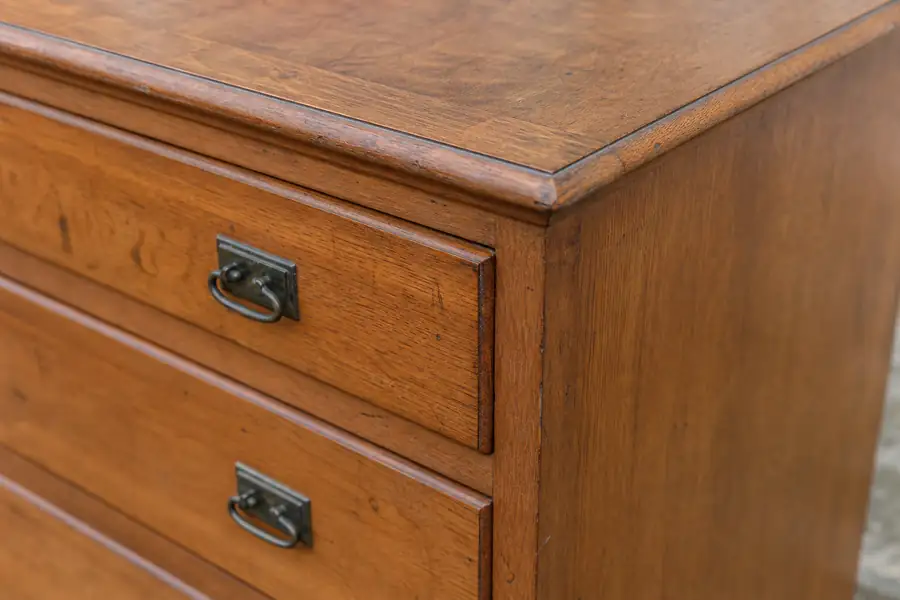
Sell or Donate Old Furniture: Per-Item Examples
The right call changes by item, because resale demand and donation rules aren't the same for a sofa as they are for a mattress. Here's how the five-minute test plays out on the pieces we see most often.
| Item | Resale potential | Donation condition rule | Likely verdict |
|---|---|---|---|
| Sofa (good condition) | Often $75-$300 | No stains, tears, pet odor, or sagging frame | Sell |
| Sofa (worn, stained) | Under $50 | Fails most donation standards | Junk |
| Dining set (solid wood) | Often $100-$400 | Stable legs, no water damage | Sell |
| Dining set (laminate, chipped) | Under $30 | Usually accepted if sturdy | Donate |
| Mattress | Rarely over $20 | Most charities won't take used mattresses | Junk (or donate only if new-in-plastic) |
| Electronics (working TV, working appliances) | Varies, often low | Must power on and have no cracked screen | Donate or recycle |
Mattresses are the exception almost every reader gets wrong. Most donation centers won't accept a used mattress at all because of bedbug and sanitation policies, and resale buyers are wary for the same reason. If you're clearing one out, our guide on how to dispose of a mattress covers the disposal rules by state. Electronics follow a different rule again: a TV or laptop that still powers on can usually be donated or recycled rather than landfilled, which keeps it out of the junk pile even when it has zero resale value.
Donate vs Throw Away Furniture: The Condition Rules That Decide It
Donate vs throw away furniture comes down to one test: would you be comfortable if a stranger unwrapped it in their living room tomorrow? Donation centers generally want furniture that's clean, odor-free, structurally sound, and free of visible stains, cracks, or missing hardware. Anything short of that gets turned away at the donation center door, which just means a wasted trip and a truck bed of furniture you now have to deal with twice.
If a piece has mold, water damage, a broken frame, or a smell that won't wash out, skip the donation run and junk it instead. Trying to donate it isn't generous, it's just deferring the decision. For pieces that are usable but you don't want the hassle of a drop-off, our post on free furniture donation pickup walks through how to get it picked up at your curb instead.
When a piece is too far gone for either option, that's when a crew makes sense. Furniture Removal from Junk Rhinos covers the pieces that fail both the sell and donate test: broken recliners, waterlogged couches, particleboard furniture that's swelled apart. Crews haul it straight out, and anything still usable gets routed to donation partners first, so you're not sending furniture to a landfill that didn't need to go there.
If you've got a mix of sell-it, donate-it, and junk-it pieces in the same room, you don't have to sort it alone. Request a free estimate and a crew will tell you on the spot what's worth keeping around to sell and what's better off gone.
Frequently asked questions
How do I know if my furniture is worth selling instead of donating?
Check a resale app or local marketplace for two or three similar listings. If comparable pieces sell for more than $50 and move within about two weeks, it's worth listing yours; if not, donation or junk removal is the faster, more realistic route.
Will charities take a stained or torn sofa?
Most donation centers turn away furniture with stains, tears, odors, or structural damage because they can't resell it either. If a couch fails that condition check, junking it saves you a wasted drop-off trip.
Can I donate a used mattress?
Rarely. Most charities and thrift stores won't accept used mattresses due to bedbug and sanitation concerns, so a used mattress usually needs to be junked or recycled through a mattress-specific program rather than donated.
What should I do with old furniture I can't sell or donate?
Once a piece fails both the resale and donation checks, junk removal is the practical answer. A crew can haul it away same or next day, and usable parts or materials get diverted to recycling where possible instead of going straight to a landfill.