Jump to section
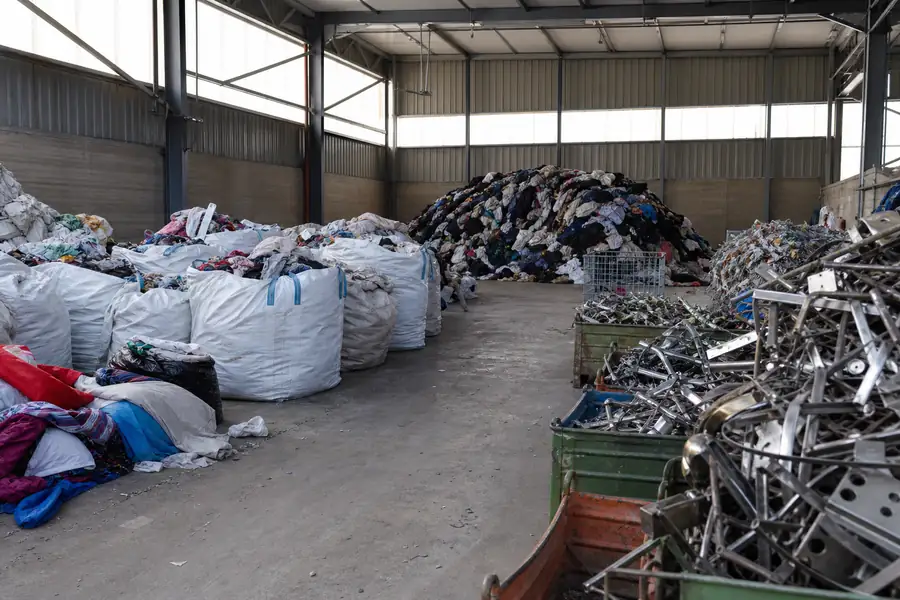
Most people assume junk removal means one thing: a truck shows up, hauls your stuff away, and it disappears into a landfill somewhere. That is not how it works at Junk Rhinos, and it should not be how it works anywhere. Every load we pick up gets sorted before it ever leaves your property, and donation and recycling happen before disposal, not after.
Here is what actually happens to your junk after removal, from the truck to the donation counter to the recycling stream, and how little of it ends up buried.
Key takeaways
- Most junk is sorted on-site or at our warehouse before any disposal decision gets made.
- Usable furniture, appliances, and household goods go to donation partners first.
- Metal, electronics, and mattresses each get broken down into separate recycling streams.
- Only items that cannot be donated, recycled, or repurposed go to the landfill.
- The EPA reports that only about 32% of municipal solid waste in the US gets recycled or composted, which is exactly why a donate-first process matters.
What Happens to Junk After Removal?
What happens to junk after removal comes down to three stops: sorting, donation or recycling, and landfill only as a last resort. As soon as a load leaves your home, our crew separates it by category rather than dumping everything into one bin. That sorting decides where each item goes next, and it is the step most junk removal companies skip.
A couch in decent shape gets pulled aside for donation. A dead refrigerator gets pulled for scrap metal. A pile of grass clippings and branches gets routed to yard waste processing instead of a landfill cell. The goal is landfill diversion: keeping as much material as possible out of the ground and back into use.
How We Sort Junk Before It Leaves Your Property
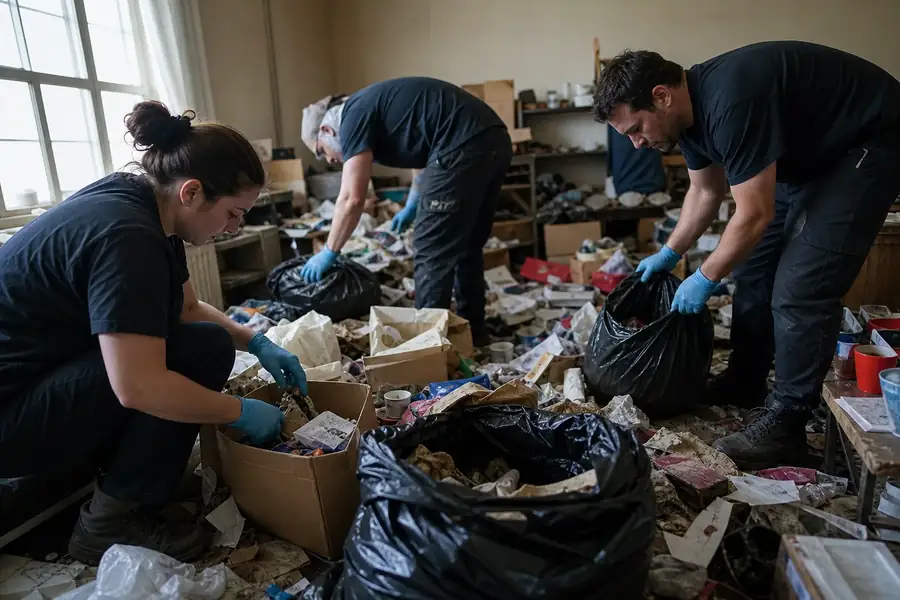
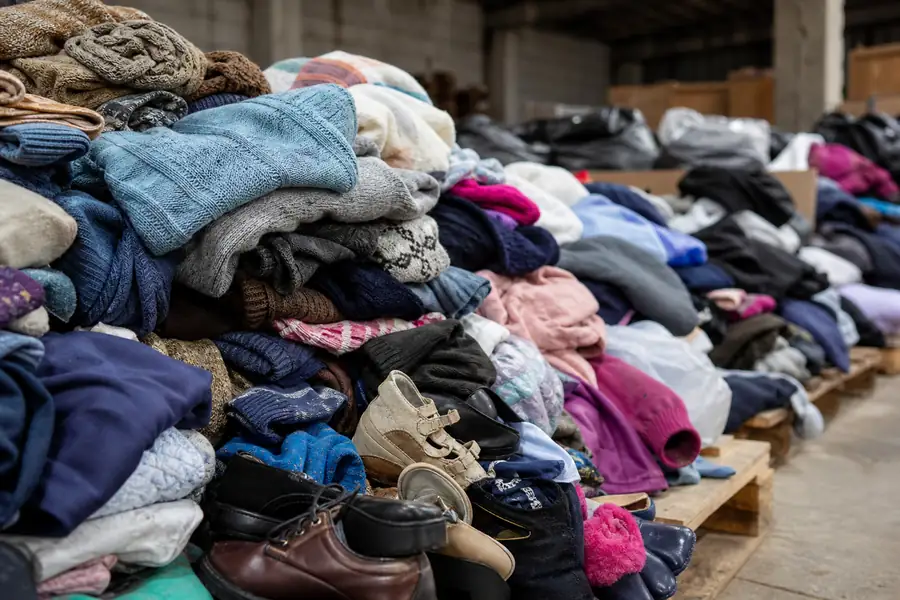
Sorting starts the moment the crew walks in, not after the truck gets back to a warehouse. Items go into rough categories on the spot: donate-ready goods, scrap metal, electronics, mattresses, yard debris, and true trash. This is standard on a General Junk Removal job, whether it is a single overstuffed closet or a whole house.
That on-site sorting is also why our estimate covers what is actually in the truck. You pay for the space your junk takes up, and the crew already knows which parts of that load are headed for donation versus disposal before you ever see the final number.
Junk Rhinos has run this process the same way since day one. You can read more about how the crew got started and why donation comes first on our about page.
Where Donated Items Go
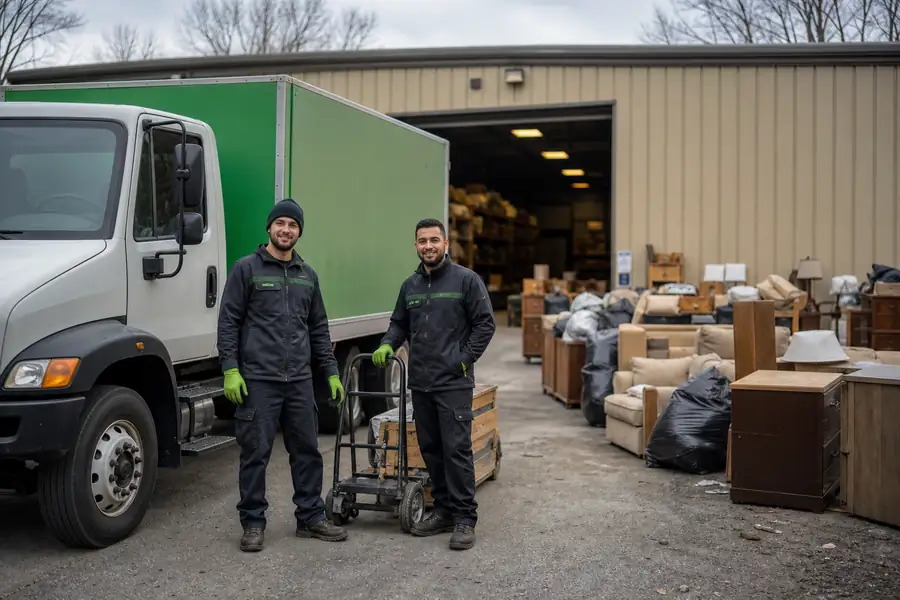
Usable furniture, appliances, and household goods get delivered to local donation partners rather than tossed. A dining table with some scratches, a working microwave, kids' toys, and gently used clothing all qualify. These items still have life left in them, and a charity, thrift store, or shelter can put them straight to use.
Donation only works if the item is actually usable. Water-damaged furniture or an appliance that no longer runs cannot go to a donation center, so those get routed into a recycling stream instead. That distinction is where most of the eco friendly junk removal decisions actually happen, on the ground, item by item.
Junk Removal Recycling: Metal, E-Waste, and Mattresses
Junk removal recycling breaks down into a few clear streams: scrap metal, electronics, and mattresses each go somewhere different. Metal appliances, fixtures, and furniture frames get sold to scrap yards, where the material is melted down and reused rather than buried.
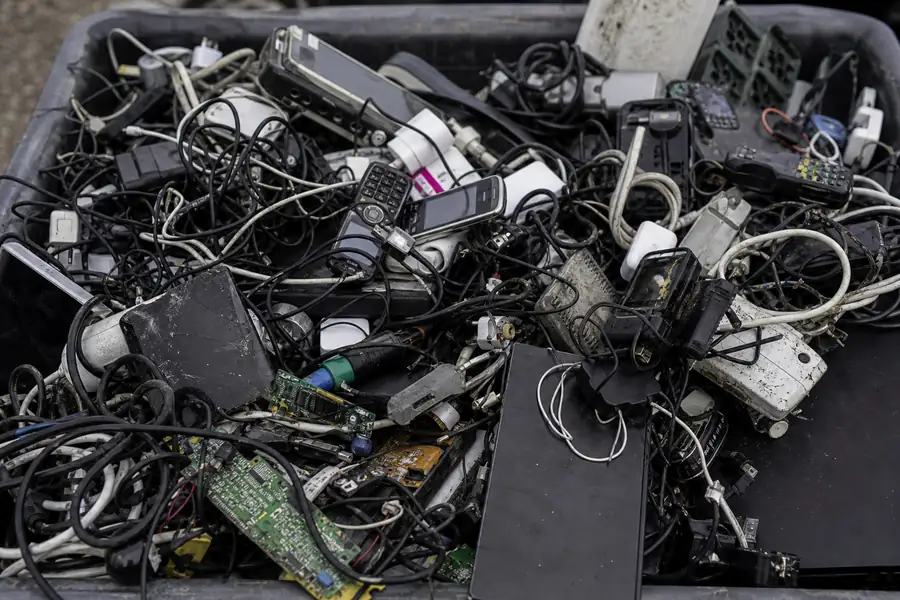
Electronics need their own path. TVs, computers, and old monitors contain materials that should never sit in a landfill, so they go through Electronics & E-Waste Recycling, where components get broken down and processed by facilities equipped to handle them safely.
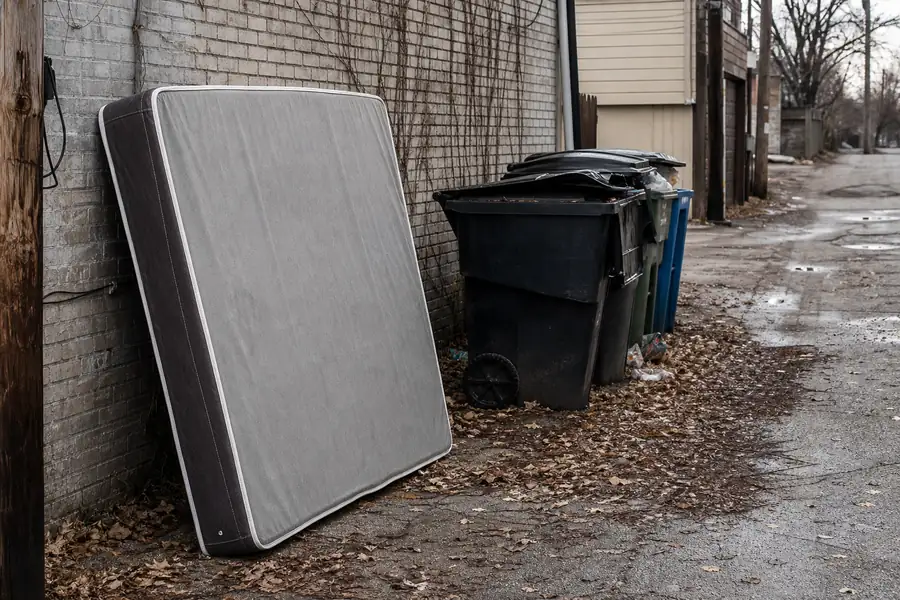
Mattresses are trickier than most people realize. A single mattress can take up more landfill space than almost anything else we haul, but the foam, fabric, and steel springs inside it can all be separated and recycled through specialty mattress recycling facilities instead of getting buried whole.
What Actually Ends Up in the Landfill
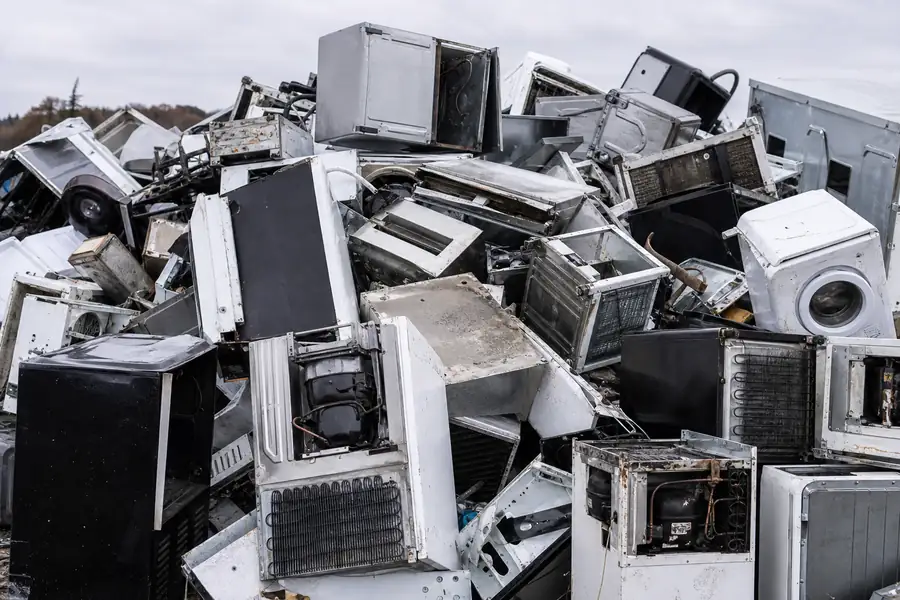
Only what cannot be donated, recycled, or repurposed goes to the landfill, and that is a smaller share than most people expect once sorting happens correctly. Nationally, the EPA estimates that roughly 50% of municipal solid waste still ends up landfilled, with only about 32% recycled or composted. A donate-first process pushes that ratio in the other direction for every load we haul.
What is left after sorting tends to be genuinely hard to reuse: soiled insulation, broken glass, contaminated construction debris, or textiles too damaged to donate. That material still gets hauled responsibly, it just is not the majority of what comes out of your home or job site.
Junk Rhinos backs this process with a free on-site estimate before any work starts, so you know the plan for your load in writing, no deposit and no hidden fees. The crew handles all the lifting, sorting, and drop-offs, so the only decision left for you is booking a pickup time.
Frequently asked questions
Does all my junk really get donated or recycled?
Not all of it, but most usable and recyclable material does. Items that are too damaged, contaminated, or unsafe to donate or recycle still go to the landfill, but sorting on-site means that share stays as small as possible.
What happens to electronics during junk removal?
Electronics get separated from general junk and sent through dedicated e-waste recycling rather than a regular landfill. This keeps components like circuit boards and batteries out of the ground and routes them to facilities built to process them properly.
Can furniture in bad condition still be recycled?
Sometimes. Wood and metal frames can often be salvaged for scrap or material recycling even if the furniture is not donation-quality, while badly damaged upholstery and foam usually cannot be saved and are disposed of as trash.
Do I need to sort my junk myself before pickup?
No, sorting is handled entirely by the crew during pickup. You do not need to separate donations from trash or pull out recyclables ahead of time, that is part of the job.
How do I know what will happen to my specific items?
The crew can walk you through the plan for larger or unusual items during your on-site estimate, and you are welcome to ask about donation or recycling for anything specific before the truck is loaded.