Jump to section
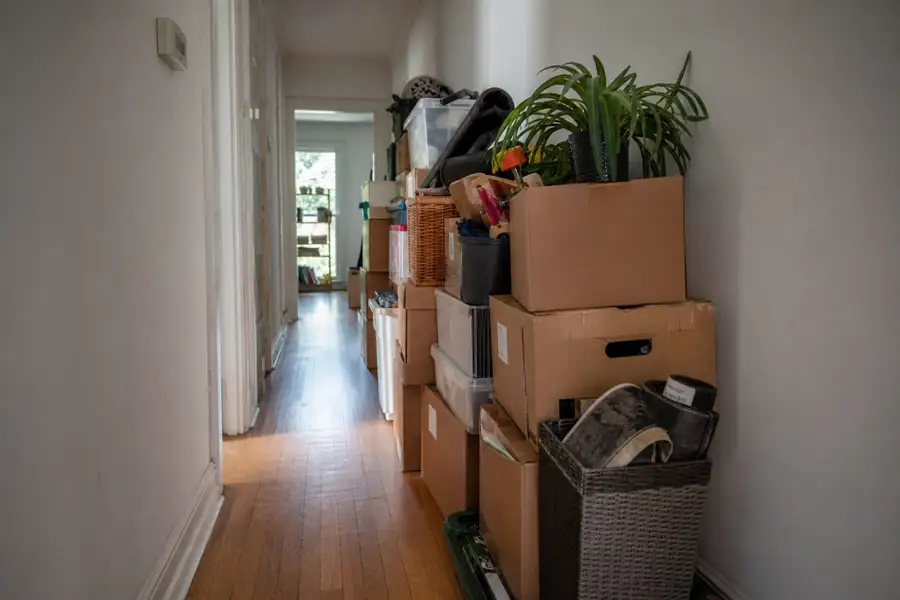
Clearing out a parent's house or a relative's estate is rarely just a hauling job. It's paperwork, memories, deadlines from an executor or a lease, and decisions nobody wants to make on a stranger's timeline. An estate cleanout checklist won't make the grief lighter, but it turns an overwhelming pile of tasks into a sequence you can actually follow, one week at a time.
This guide walks through the estate cleanout process in order, from securing documents to the final walkthrough, with a printable checklist you can take room to room.
Key Takeaways
- Secure documents, valuables, and cash before anything else moves
- Notify utilities, insurers, and the post office early to stop unnecessary bills
- Sort belongings into keep, family, sell, donate, and toss piles
- Get appraisals before big-ticket or uncertain items leave the house
- Schedule removal after sorting is finished, never before
- Do a final walkthrough and clean before handing over keys
How to Do an Estate Cleanout: The Process
An estate cleanout process moves in a fixed order: secure what matters, notify who needs to know, sort what's left, then remove and clean. Working out of order is how families lose a deed in a donation box or pay two months of extra utility bills on an empty house.
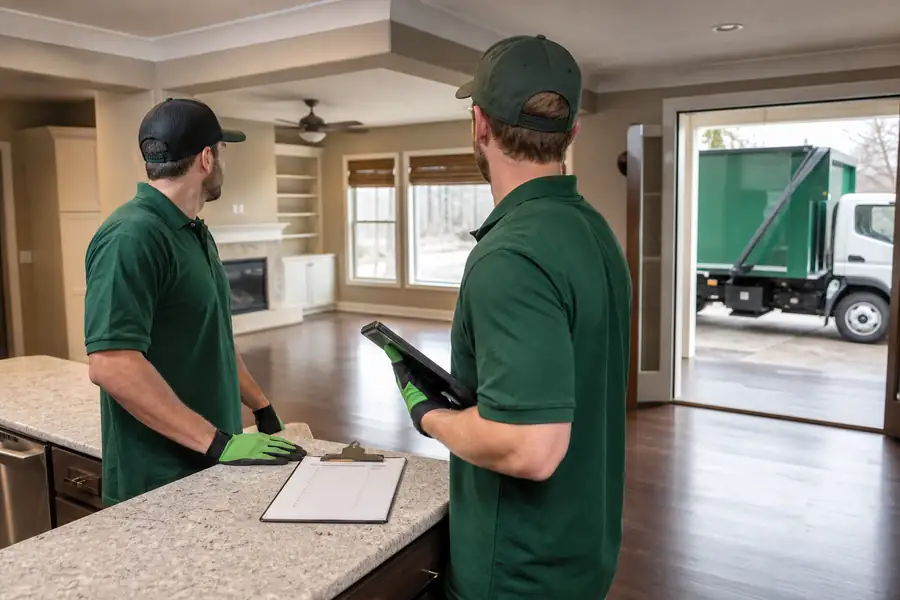
Most families handle the paperwork and sorting themselves, then bring in a crew for the heavy lifting. Junk Rhinos' Estate Cleanout service exists for exactly that point in the process, when the piles are sorted but the timeline is tight and nobody in the family wants to spend a weekend hauling furniture down a stairwell.
The Estate Cleanout Process, Week by Week
Spreading the work across four weeks keeps any single day from feeling impossible. Adjust the pace to fit a lease deadline, a closing date, or simply how much time the family has to give it.
Week One: Secure Documents, Valuables, and Utilities
Week one protects anything that can't be replaced or that keeps costing money if it's forgotten. Pull wills, deeds, insurance policies, financial statements, and passports into one folder before anyone else touches the house.
Locate jewelry, cash, firearms, and collectibles and move them somewhere secure. Then notify the electric, water, gas, cable, and trash providers so billing stops or transfers, forward the mail, and tell the homeowner's insurance company the property is vacant, since many policies need a vacancy rider once nobody's living there.
Week Two: Sort Everything Into Keep, Family, Sell, Donate, and Toss
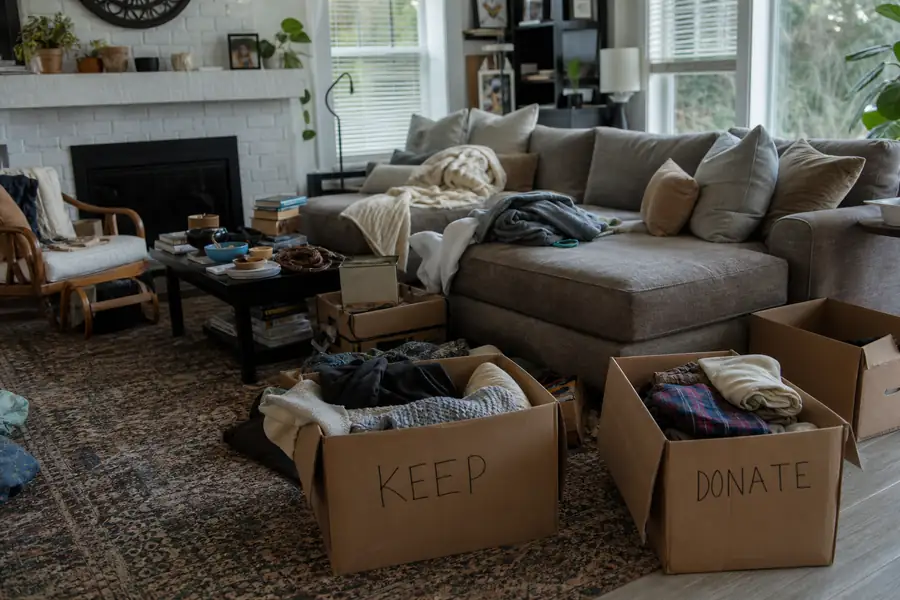
The five-pile sort is the backbone of any estate cleanout checklist, because it forces a decision on every item instead of letting undecided things pile up. Keep covers what you're taking home; family covers items other relatives want; sell covers furniture and collectibles worth listing or auctioning; donate covers usable goods in decent shape; toss covers anything broken, expired, or unusable.
Work room by room rather than category by category. It's slower up front but it keeps the sort from stalling out in the middle of the house.
Week Three: Appraise and Schedule Removal
Get appraisals on anything that might be worth real money before it leaves the property, including antiques, art, coin or stamp collections, and older furniture. An appraiser can turn up value in pieces that look like ordinary secondhand goods.
Once the sell items are listed and the toss and donate piles are set, schedule removal. Request a free estimate and Junk Rhinos will confirm a firm price on-site before any work starts, so there's no deposit and no surprise charge once the truck is loaded.
Week Four: Final Clean and Walkthrough
The last week is sweeping, wiping down surfaces, and checking every closet, attic, and garage corner before keys change hands. Estate sales and executors often miss the attic or a shed until this final pass turns something up.
Walk the property with whoever is closing on the sale, ending the lease, or taking over the deed, so nothing gets left behind after the crew and family have gone.
Printable Estate Cleanout Checklist
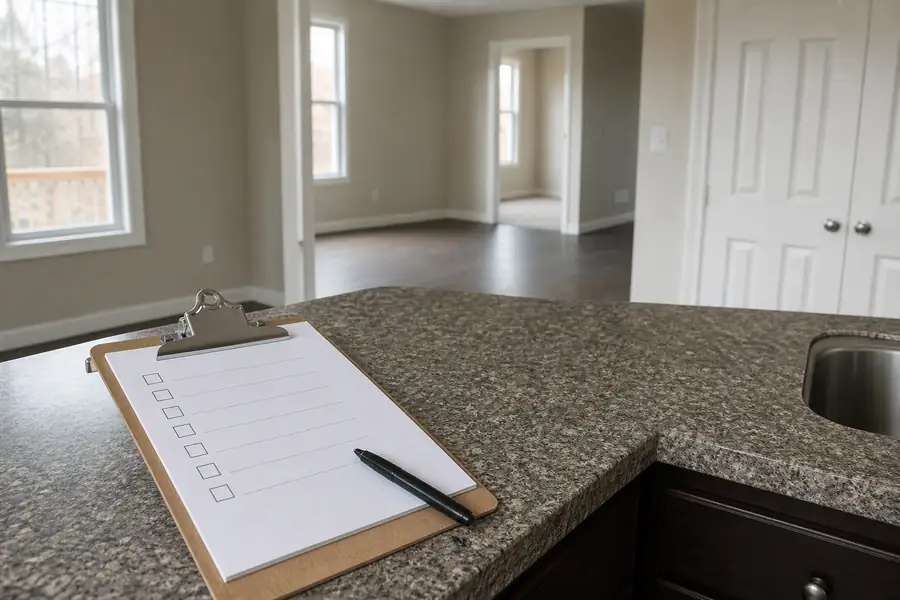
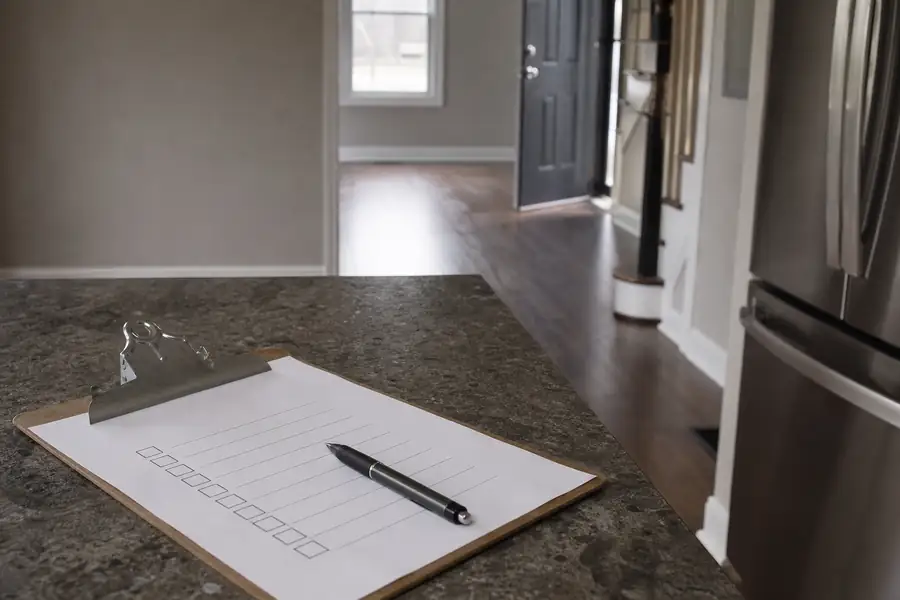
A printable version of this checklist is easiest to use taped to a wall or clipped to a folder, checked off room by room. It should cover:
- Documents and valuables secured in one location
- Utilities, mail, and insurance notified or transferred
- Every room sorted into keep, family, sell, donate, toss
- Appraisals scheduled for high-value or uncertain items
- Sell and donate items delivered or scheduled for pickup
- Removal date booked for what's left after sorting
- Final clean and walkthrough completed
Print it, pin it to the fridge or the front door of the property, and check items off as each week wraps up.
Common Estate Cleanout Mistakes to Avoid
Most estate cleanout mistakes come from skipping the order above, not from a lack of effort. Watch for these:
- Tossing paperwork before checking every drawer and folder
- Letting utilities run past the actual move-out date
- Skipping appraisals and donating something worth real money
- Booking removal before the sort is finished, leaving usable items in the truck
- Skipping the final walkthrough and missing an attic or shed
Junk Rhinos' crews see all of these on estate jobs regularly, which is why the estimate is confirmed on-site and nothing gets hauled until the family says it's ready to go.
Frequently asked questions
How long does an estate cleanout usually take?
A typical estate cleanout takes two to four weeks from first walkthrough to final clean, depending on the size of the home and how much sorting the family can do at once. Larger homes, full attics and garages, or families spread across different states often push closer to a month.
What should I do first in an estate cleanout?
Secure documents, valuables, and cash before anything else, since those are the items that can't be replaced if they end up in a donation box or a dumpster by mistake. Notifying utilities and insurance comes right after, so an empty house doesn't rack up unnecessary bills.
Should I sort everything before scheduling junk removal?
Yes. Sorting into keep, family, sell, donate, and toss first means the removal crew only takes what's actually leaving the property, which keeps the job faster and the price fairer. Scheduling removal too early often means good items get hauled off before anyone's had a chance to claim them.
What happens to items that get donated or recycled during a cleanout?
Usable furniture, appliances, and household goods typically go to local donation centers, while electronics and recyclable materials get diverted from the landfill wherever possible. Junk Rhinos sorts for donation and recycling before anything heads to disposal, so a cleanout doesn't automatically mean everything becomes waste.
Do I need to be present for the actual removal day?
Not necessarily, as long as sorting is finished and the crew knows exactly what's staying and what's going. Many families walk the property beforehand, mark or list what needs to be removed, and let the crew handle the loading and hauling without needing anyone on-site that day.