Jump to section
Not every messy room means hoarding, and not every hoarding situation looks the same. Professionals use a five-point scale to gauge how serious a cluttered home really is, from a few packed closets to conditions that put someone's health at risk. Knowing where a home falls on the levels of hoarding helps you figure out whether a weekend of organizing will fix it, or whether it's time to bring in outside help.
This guide walks through each stage of the hoarding scale, the safety risks that come with it, and the kind of response that actually fits: self-help, a professional cleanout, or mental health support alongside the physical work.
Key takeaways
- The hoarding scale runs from Level 1 (mild clutter) to Level 5 (severe, hazardous conditions).
- Levels 1 and 2 usually respond well to self-help and basic organizing.
- Levels 3 through 5 often involve blocked exits, pests, or structural strain that need professional attention.
- Hoarding disorder is a recognized mental health condition, not just messiness.
- A professional hoarding cleanout can restore safety without forcing a fight over every item.
What Are the Levels of Hoarding?
The levels of hoarding are a five-stage scale that rates how much clutter has built up in a home and how much it interferes with daily life and safety. The scale was developed by professional organizers who specialize in chronic disorganization, and it's referenced by the International OCD Foundation (IOCDF) as a way to describe hoarding severity in practical, observable terms rather than guesswork.
Hoarding disorder itself is a recognized mental health condition in which a person has persistent difficulty discarding possessions, according to the IOCDF, leading to clutter that disrupts normal use of living spaces. The stages of hoarding describe the physical result of that difficulty, room by room and level by level.
| Level | What It Looks Like | Safety Risk | Best Response |
|---|---|---|---|
| 1 | Slightly cluttered, all doors and vents clear | Low | Self-organizing |
| 2 | One or more rooms hard to use, minor odor or pet signs | Low-Medium | Decluttering, family help |
| 3 | Clutter visible from outside, an exit partly blocked | Medium | Professional cleanout |
| 4 | Structural strain, pests, strong odors | High | Cleanout plus mental health support |
| 5 | No functional living space, utilities affected | Severe | Cleanout plus medical or mental health team |
Understanding Each Level of the Hoarding Scale
Level 1: Mild Clutter
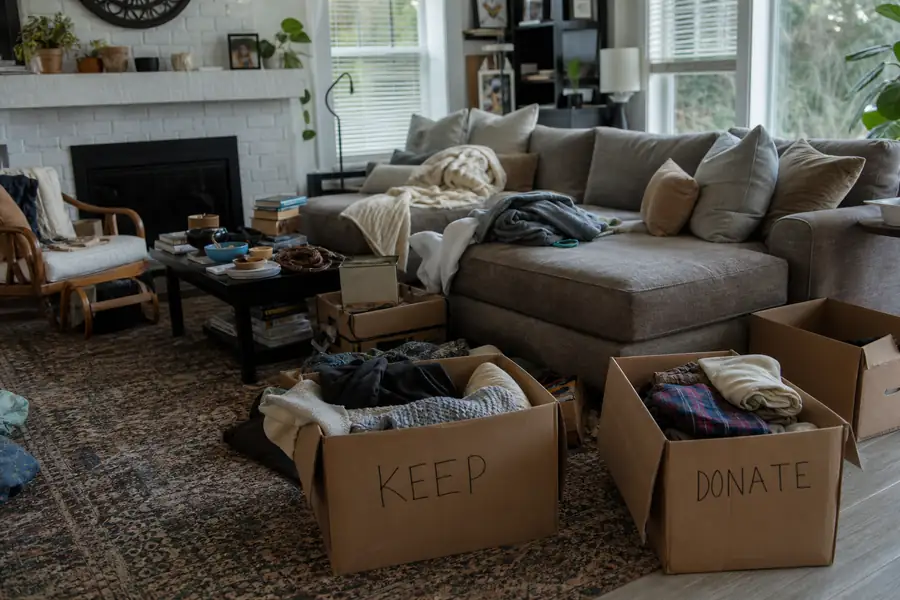
At Level 1, the home looks a little untidy but every room still works the way it's supposed to. Closets and cabinets may be full, but exits, stairs, and appliances are all accessible.
Level 2: Clutter That Limits a Room
Level 2 clutter starts crowding at least one room enough that it's harder to use for its intended purpose, like a dining table that can no longer seat anyone. Light pet dander, dust buildup, or a mild odor may show up here too.
Level 3: Clutter That Blocks an Exit
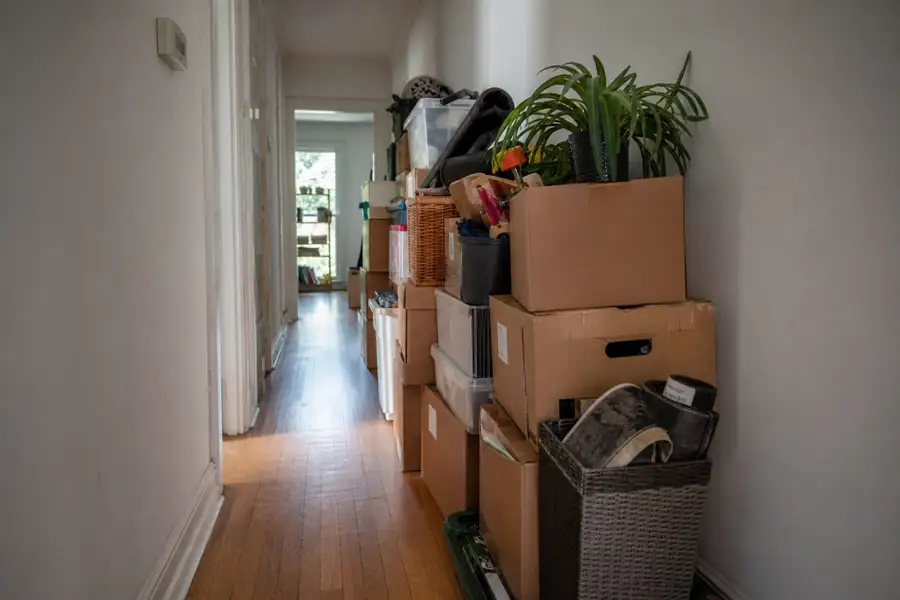
By Level 3, clutter is visible from outside the home and at least one exit, hallway, or stairway is partially blocked. This is usually the point where a homeowner can no longer clear the backlog alone in a weekend.
Level 4: Clutter With Structural or Health Hazards
Level 4 homes show real wear from the weight and volume of belongings: sagging floors, broken fixtures, rodent or insect activity, and strong odors. Bathrooms or kitchens often become unusable.
Level 5: Clutter That Makes a Home Unsafe to Live In
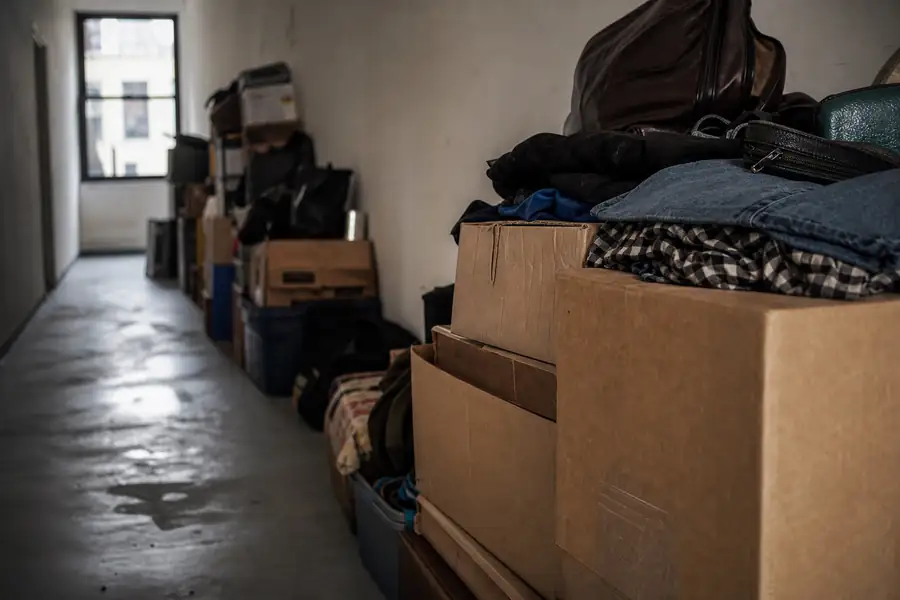
At Level 5, there's no functional living space left, and utilities like plumbing or electrical service may be compromised or shut off entirely. These homes carry serious fire, structural, and health risks and almost always need a coordinated response.
Safety Risks at Each Stage of Hoarding
The safety risks of hoarding climb steadily across the levels of hoarding, and the jump from Level 3 to Level 4 is usually where a home crosses from merely messy to genuinely dangerous. Blocked exits and stacked paper or fabric act as fuel and a barrier at the same time, which makes fire far more dangerous and harder to escape.
Pests and mold move in as clutter traps moisture and food debris, especially at Levels 3 and up. Floors and stairs can weaken under sustained weight, and tripping or falling injuries become more likely as pathways narrow.
There's an emotional toll too. Isolation, shame, and strained family relationships often grow alongside the clutter, which is part of why hoarding is treated as a mental health issue and not a housekeeping problem.
How to Respond: Self-Help, Cleanout, or Mental Health Support
The right response to hoarding depends directly on the level, and matching the response to the stage matters more than rushing to clear everything at once. Levels 1 and 2 usually respond well to self-directed organizing, sometimes with a family member's help over a few weekends.
Level 3 typically needs more hands and more truck space than a family can manage alone, which is where a professional crew earns its keep. Levels 4 and 5 need both a professional cleanout and, in most cases, ongoing mental health support, since clearing the home doesn't address why the clutter built up in the first place.
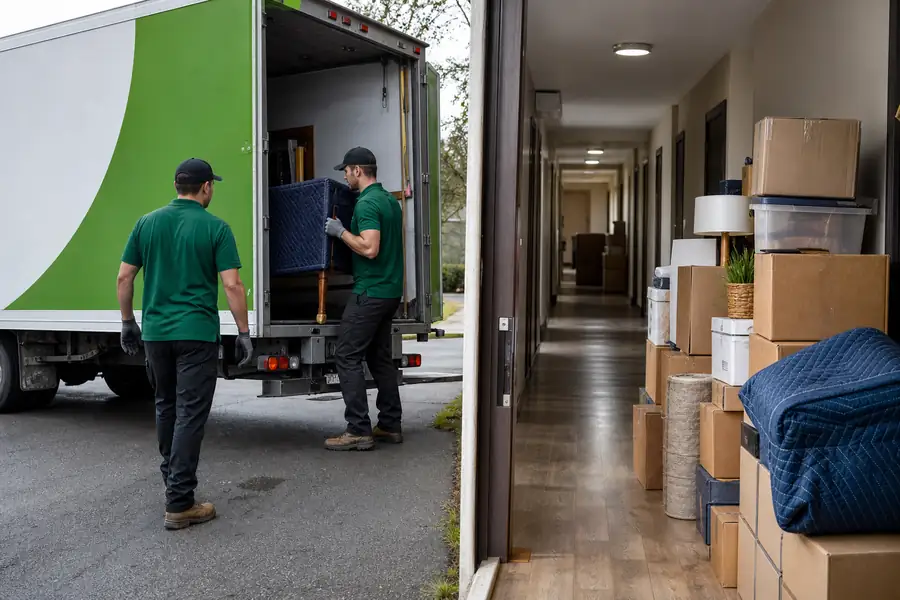
Junk Rhinos' Hoarding Cleanout service is built around patience and zero judgment. Crews sort rather than just haul, work at the resident's pace, and coordinate with family members or care providers so the physical cleanout supports the bigger recovery instead of steamrolling it.
When to Call a Professional for a Hoarding Cleanout
Call a professional crew once clutter blocks an exit, invites pests, or a resident can no longer keep up with the pace of accumulation on their own. Those are the practical markers of Level 3 and up, and they're the point where DIY organizing tends to stall out.
A licensed, insured crew can move heavy or awkward items safely, sort what's usable from what isn't, and route donations and recyclables away from the landfill instead of just dumping everything. Junk Rhinos confirms a firm, volume-based price on-site before any work starts, with no deposit and no hidden fees, so families facing a hoarding cleanout know exactly what to expect going in. You can see how the process and estimates work on the FAQ page.
Frequently asked questions
What's the difference between clutter and hoarding?
Clutter is a temporary buildup of belongings that a person can usually clear on their own once they have time. Hoarding involves a persistent difficulty discarding items that keeps building over months or years and starts to interfere with how the home functions.
Can a hoarding situation improve without professional help?
Early-stage hoarding, roughly Levels 1 and 2 on the hoarding scale, often improves with self-help and support from family. Once clutter blocks exits or damages the home, which typically starts at Level 3, professional help gets the results faster and more safely.
Is hoarding considered a mental illness?
Yes. The International OCD Foundation classifies hoarding disorder as a recognized mental health condition involving persistent difficulty discarding possessions, separate from ordinary messiness or busy-life clutter.
How long does a hoarding cleanout take?
Timing depends on the level of clutter and the size of the home, but most professional hoarding cleanouts take anywhere from one day to several days. Crews typically confirm a timeline along with the firm price during the on-site estimate.
Will a cleanout crew force decisions about what to keep?
No. A respectful cleanout crew works at the resident's pace, sorts items into keep, donate, and discard categories, and never pressures anyone into decisions they're not ready to make.