Jump to section
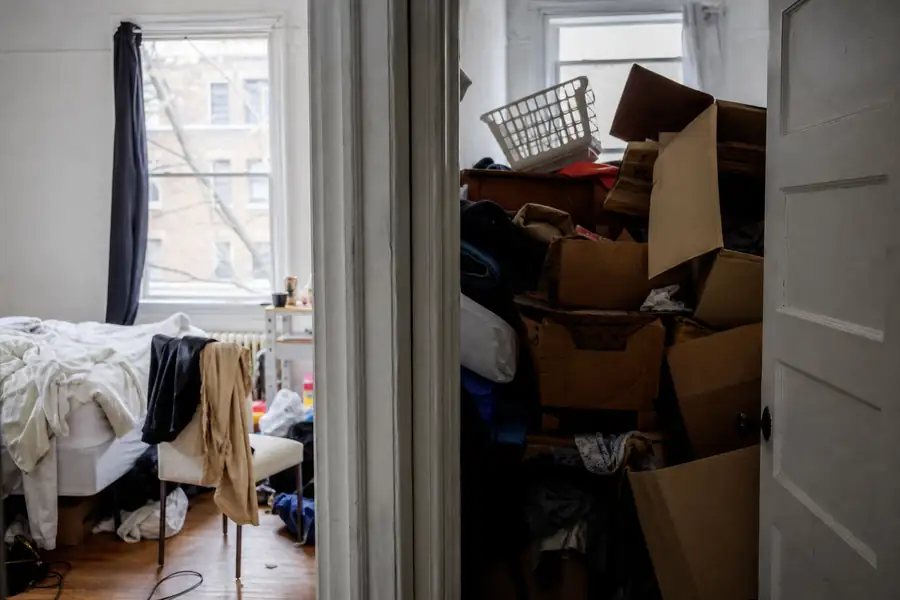
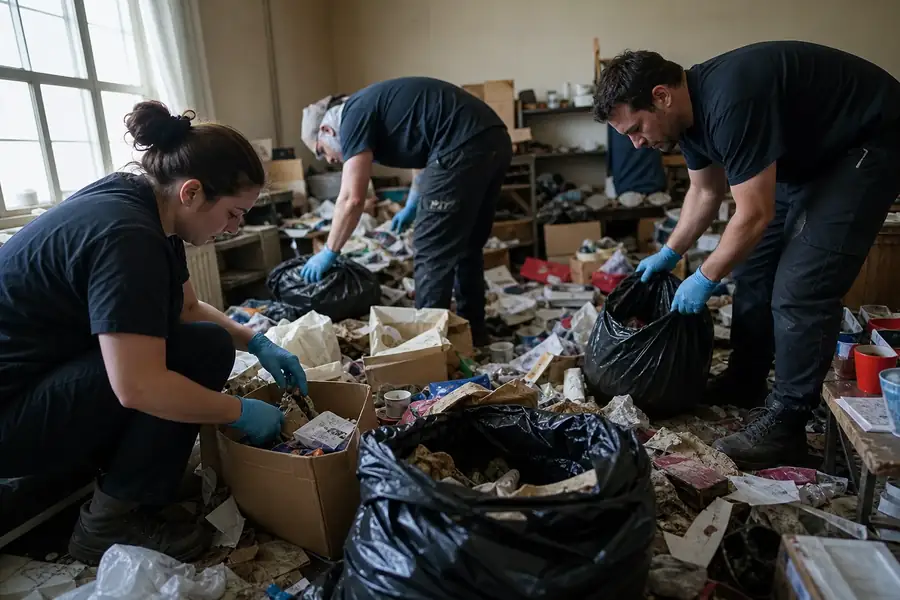
A hoarder's house does not get cleared by starting wherever looks easiest. The job needs an order: exits first, then rooms, then a plan for what leaves by truckload versus dumpster. This checklist walks through where to start cleaning a hoarder house, the supplies and protective gear to buy first, and the room-by-room order our crews use on real jobs.
For families who'd rather hand the whole project off, our hoarding cleanout guide for families covers what a professional crew handles start to finish. This checklist is built for the households doing it themselves.
Key takeaways
- Clear exits and walkways before touching any single room.
- Set up four sorting stations (keep, donate, trash, undecided) before you start moving anything.
- Wear real PPE: an N95 or better respirator, gloves, eye protection, and closed-toe shoes.
- Check utilities for damage before deep cleaning any room.
- Estimate dumpster or truckload size before junk starts piling up outside.
- Stop and call a pro if you hit biohazard material, structural damage, or severe squalor.
Where to Start Cleaning a Hoarder House: Supplies and Sorting Stations
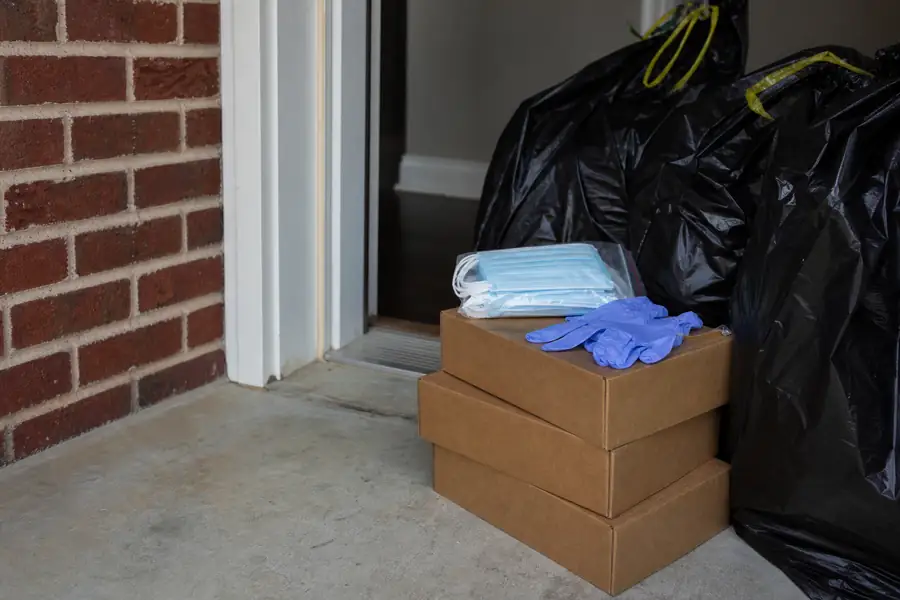
Start a hoarder house cleanup by setting up supplies and sorting stations, not by diving into the nearest pile. Have these on hand before you open a single closet: heavy-duty 3-mil contractor bags, labeled bins for keep, donate, trash, and undecided, a flashlight or headlamp, a box cutter, a broom and dustpan, and a basic first aid kit.
Occupational safety guidance recommends at minimum an N95 or P100 respirator, nitrile gloves, eye protection, and long sleeves whenever you're disturbing dust, mold, or pest droppings that build up in long-term clutter. Add closed-toe boots. Floors under deep clutter hide broken glass, nails, and rotted boards more often than people expect.
The sorting stations matter as much as the trash bags. A single undecided bin keeps the whole project moving, because pausing to debate every item is what stalls most hoarder house cleanups before they get past the first room.
| Station | What Goes There | Next Step |
|---|---|---|
| Keep | Items the homeowner confirms they want | Box, label, move to a cleared room |
| Donate | Usable furniture, clothing, housewares | Drop off or schedule pickup |
| Trash | Broken, soiled, or expired items | Bag and move to the dumpster or curb |
| Undecided | Anything causing hesitation | Revisit after the first full pass |
Room-by-Room Order for Cleaning a Hoarder House
Clear a hoarder house in this order: exits and walkways first, then the kitchen and bathroom, then common living areas, then bedrooms one at a time, then the garage, attic, or basement last. This order exists for safety, not convenience. Blocked exits are a fire and fall hazard the whole time you're working, so they come down before anything else.
- Exits and main walkways. Clear a straight path to every door before you touch a closet or shelf.
- Kitchen and bathroom. These hold the highest risk for spoiled food, mold, and biohazard material, so clear and disinfect them early.
- Living and common areas. Clearing shared space gives the household a visible win and somewhere clean to stage keep items.
- Bedrooms, one at a time. Close the door on the rest of the house while you work a single bedroom to keep the job from feeling endless.
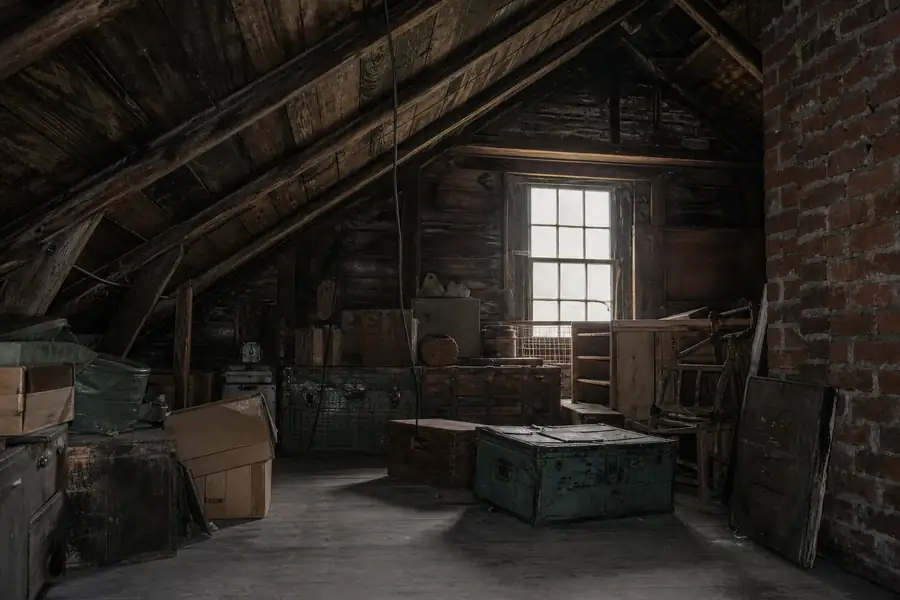
- Garage, attic, and basement. These usually hold the heaviest, bulkiest items and the most volume, so they go last once you have a dumpster or crew lined up.
This same hoarder house cleanup checklist order works whether you're clearing a studio apartment or a four-bedroom house. The scale changes. The sequence doesn't.

Utilities, Dumpster Math, and Debris Volume
Check gas, water, and electrical before you clean any room, because hoarding commonly hides leaks, blocked vents, and exposed wiring under years of stacked items. Look for a gas smell near the stove or water heater, water stains or soft spots on floors and ceilings, and outlets buried under fabric or paper. Call the utility company or an electrician before proceeding if anything looks off.
Dumpster size depends on how much of the house is affected. A single cluttered room usually fills a 10-yard dumpster or takes one to two pickup truckloads. Two or three rooms typically need a 15 to 20-yard dumpster. A whole house at a heavier hoarding level often needs a 30 to 40-yard dumpster or several dedicated truckloads.
| Cleanout Scope | Typical Dumpster Size | Approx. Truckloads |
|---|---|---|
| Single room | 10 yard | 1-2 |
| 2-3 rooms | 15-20 yard | 3-5 |
| Whole house | 30-40 yard | 8 or more |
Costs add up fast once bags, bin rental, and trips to the landfill are all counted. Most families underestimate the total hoarder cleanup cost until the bins are already full.
When to Stop and Call Hoarding Cleanup Professionals
Stop DIY cleaning and call a professional crew the moment you find biohazard material, structural damage, or squalor conditions beyond ordinary clutter. These are not jobs for trash bags and good intentions. They carry real health and safety risk.
Call in a pro if you encounter any of the following:
- Human or animal waste, or strong ammonia odor from urine buildup
- Visible mold colonies covering walls, furniture, or carpet
- Rotting food or dead animals
- Needles or drug paraphernalia
- Sagging floors, ceilings, or walls that suggest structural damage
- Severe pest infestation (rodents, cockroaches, fleas)
Clutter severity is usually scored on the Clutter Image Rating scale. Our breakdown of the levels of hoarding explains what each level looks like room by room, which helps families decide fast whether a situation is still DIY territory.
Junk Rhinos' Hoarding Cleanout crews are trained for exactly this: biohazard-aware removal, patience, and zero judgment, with uniformed, licensed and insured teams who absorb the heavy lifting a family shouldn't be doing alone.
Every hoarding cleanout starts with a free on-site estimate, confirmed in writing before anyone touches a box. No deposit, no hourly surprises, just an honest price for what the truck ends up hauling. You can request a free estimate whether you need the whole job handled or just the dumpster-sized stuff your crew can't lift.
Frequently asked questions
Where do I start cleaning a hoarder house?
Start by clearing exits and main walkways, since blocked exits are the biggest safety hazard in a cluttered home. Set up keep, donate, trash, and undecided bins before moving anything, then work the kitchen and bathroom next because they carry the highest biohazard risk.
How long does it take to clean a hoarder house?
A single cluttered room usually takes a full day for two people working carefully. A whole house at a moderate hoarding level can take several days to a couple of weeks of DIY work, longer at severe squalor levels or with a small crew.
What PPE do I need to clean a hoarder house?
At minimum, wear an N95 or P100 respirator, nitrile gloves, eye protection, long sleeves, and closed-toe shoes or boots. This protects against dust, mold spores, and pest droppings that accumulate in long-term clutter, which are not always visible before you start moving items.
When should I call a professional instead of cleaning it myself?
Call a professional hoarding cleanup crew if you find biohazard material like waste or mold, structural damage such as sagging floors, or a severe pest infestation. These conditions need specialized handling and disposal that go beyond standard household cleaning.
What happens to items after a hoarder house cleanout?
Usable furniture, clothing, and housewares typically get donated to local charities, and electronics or metal get recycled where possible. Only what can't be reused or recycled goes to the landfill, which keeps the overall cleanout more affordable and more responsible.